
Your Career in Professional Skincare
A career in esthetics brings together skincare knowledge, hands-on technique and personal service. Use this guide to explore the work, the skills you will develop, Florida's professional requirements and the opportunities for continued growth.
What Does an Esthetician Do?
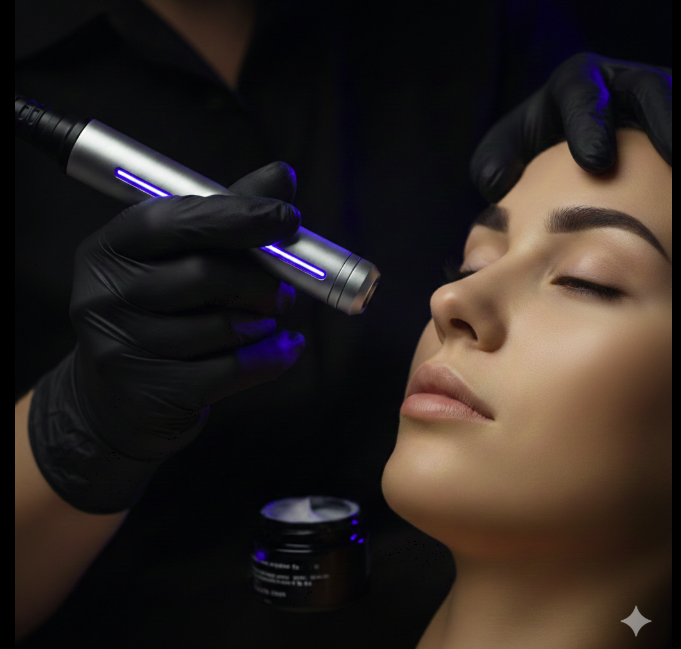
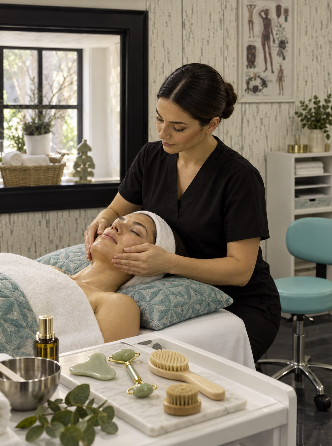
Estheticians help clients care for their skin through consultation, skin analysis, facial treatments, product education and appropriate home-care recommendations. Daily work also includes preparing the treatment area, maintaining sanitation, documenting services and recognizing when a concern should be referred to a qualified healthcare professional.
In Florida, the entry-level professional credential for facial specialty services is Facial Specialist registration. The services you offer must fit your professional authority and training.
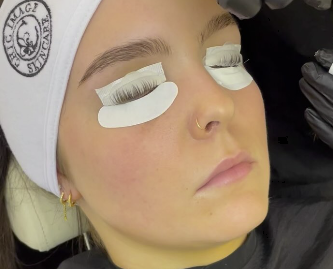
Skills Every Esthetician Needs
Strong professional practice combines technical ability with the way you communicate, organize your work and care for each client.
- Skin analysis, anatomy and physiology, and informed treatment selection
- Sanitation, infection control and consistent equipment-care procedures
- Consultation, contraindication screening and clear client communication
- Facial techniques, product knowledge and appropriate home-care education
- Accurate records, time management and professional presentation
- Client service, ethical recommendations and respect for professional scope
Education & Training Requirements
Build Your Foundation
Chic Image Academy's Facial Specialist program includes 220 total clock hours: 149 theory hours and 71 lab / practical hours. Students develop foundational knowledge and supervised skills in consultation, skin care, sanitation and professional services.
Review the program's curriculum, school assessments, graduation requirements and complete charges before selecting your pathway.
Choose a Schedule That Fits
Online theory through the CIMA platform is combined with required in-person lab training. Facial Specialist options include part-time and full-time Tuesday/Thursday schedules and approved accelerated weekend cohorts. All required theory, lab hours and services must be completed.
Admissions confirms the complete training calendar and completion date before enrollment.
View Class SchedulesAccelerated Weekend (Immersion) Schedule
Florida Esthetician License Guide
The Florida Credential Is Facial Specialist Registration
Florida DBPR requires 220 school hours in a Florida facial specialty program. Eligible graduates apply separately for Facial Specialist registration and meet DBPR's documentation, initial HIV/AIDS training and application requirements. No Florida cosmetology examination is required for this registration. The Academy's school final and graduation requirements are separate from the state's application process.
Graduation or an additional school certificate does not itself grant professional registration. Use the official application checklist to confirm current requirements and fees.
Training, graduation and registration pathwayOfficial DBPR Facial Specialist requirements
Considering a medical-spa setting or advanced services? Read Separate Medical Esthetician License? to understand the distinction between a workplace title, additional education and legal authority to practice.
Esthetician Career Opportunities
Potential settings include salons, day spas, resort spas, skincare retailers and professional skincare businesses. Some practitioners work in medical-office or medical-spa environments; the job setting does not determine which procedures a person may legally perform.
When comparing positions, review the actual duties, required credentials, work schedule, compensation structure and opportunities for mentoring. An independent practice also involves business planning, insurance, operating costs and the applicable business or salon requirements.
Tools & Products Estheticians Use
Training introduces students to professional skincare products, treatment-room preparation, facial tools, sanitation supplies and equipment appropriate to the curriculum. Learn the purpose, contraindications, cleaning procedures and safe use of each tool rather than selecting services simply because a device is available.
Client Tickets & Business Revenue Potential
Explore how the number of completed, paid appointments and the average collected client ticket affect gross service revenue. A client ticket is the amount actually collected for a visit after discounts; it is not the practitioner’s personal pay.
Published Tampa Service-Price Examples
| Service | Published price |
|---|---|
| Signature facial — 55 minutes | $99 |
| Luxe facial — 75 minutes | $125 |
| Toning and rejuvenation facial — 60 minutes | $115 |
Based on published service-price information. Last verified: November 28, 2026. These selected provider examples are not market averages or Academy prices. Services, packages and prices can change.
Weekly Client-Ticket Scenarios
The table shows gross weekly service revenue at different average tickets and paid appointment volumes. The average ticket may reflect a mix of services; it does not mean every appointment has that price.
| Paid appointments per week | $100 average ticket | $125 average ticket | $150 average ticket |
|---|---|---|---|
| 10 | $1,000 / week | $1,250 / week | $1,500 / week |
| 20 | $2,000 / week | $2,500 / week | $3,000 / week |
| 30 | $3,000 / week | $3,750 / week | $4,500 / week |
For example, 20 paid appointments × $125 = $2,500 gross service revenue per week. At that same activity level for 48 working weeks, annual gross service revenue would be $120,000 before expenses. This assumes consistent completed bookings and collections; it does not assume the same clients return every week.
Allow time for consultation, sanitation and room turnover. Only offer facial services within your registration and training.
Gross service revenue is not salary, profit or take-home pay. Subtract operating costs such as premises, supplies, equipment, insurance, licensing, marketing, payment fees, staffing and taxes. An employee receives the wages or commission agreed with their employer, rather than the entire client ticket. Package discounts, cancellations and unfilled appointments reduce collections. These examples exclude tips and retail sales.
The figures are hypothetical planning scenarios, not expected booking levels, Academy graduate outcomes or promised earnings. Build your own plan around service times, local demand, client retention and all costs. A higher-priced service does not automatically produce a higher profit.
Building & Growing Your Clientele
Build trust through consistent preparation, clear explanations and attentive follow-up. Listen to a client's goals, keep accurate service records and make recommendations that fit their needs and your professional scope.
- Provide a reliable, professional client experience
- Explain realistic expectations and appropriate home care
- Use permission-based follow-up and respectful communication
- Maintain a professional portfolio with client consent
- Track service costs, time and client retention
Career Growth & Advancement
Continue developing your skills through intermediate and advanced certifications, focused classes, mentoring and experience. Compare course prerequisites and intended competencies with your existing registration and career goals.
Additional education can support professional development, but a school certificate does not create a new state license or authorize every service covered by an industry job title.
Intermediate & Advanced CertificationsContinuing Education CertificationsCIDESCO Training
Why Choose Chic Image Academy?
Explore the Academy's approach to structured theory, supervised practical training, professional standards and continued development. Ask how CIMA coursework, instructor feedback and standard progress reporting support your learning throughout the program.
Visit the school, meet the team and compare the learning environment with the career you want to build. Our educational approach and graduate experiences can help you prepare questions before applying.
Why Choose Chic Image AcademyStudent TestimonialsGraduate Success Stories
Plan Your Training
Flexible Class Schedules
Compare each program's approved schedule and required in-person lab attendance. Review the quarterly immersion calendar if you are considering a weekend pathway.
Financing & Payment Requirements
Explore Klarna, Afterpay and Flexxbuy for applicants who qualify. The Academy does not offer separate school-administered payment plans. Full tuition and fees are due before the student's initial start date.