
Explore a Career in Massage Therapy
Massage therapy combines knowledge of the human body with professional touch, careful communication and ethical client care. This guide introduces the training and Florida licensing pathway as well as the practical realities of working in the field.
What Does a Massage Therapist Do?
Massage therapists use trained manual techniques to work with soft tissues, support relaxation and address client goals within their scope. Consultation, consent, records, sanitation and recognizing when referral is appropriate are part of professional practice.

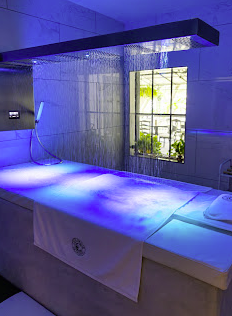
Massage Techniques & Modalities
Develop a foundation in massage theory, history and supervised practical techniques before pursuing specialized modalities. Swedish-style techniques, pressure selection, movement and other approaches require appropriate instruction and client assessment. Ask which modalities are included in the core curriculum and which require additional training.
Anatomy & Body Mechanics
Study anatomy, physiology and how muscles and joints relate to movement. Proper positioning, draping, therapist posture and workload planning help support professional practice. Learning when a technique is inappropriate is part of developing sound judgment.
Education & Professional Training
The Academy’s Massage Therapy program includes 500 total clock hours: 155 theory hours and 345 lab / practical hours. Review the program page for its course breakdown, required assessments, tuition and available schedule.
All required theory, lab work and graduation requirements must be completed. Admissions confirms the complete training calendar before enrollment.
Florida Massage Therapist Licensure
The Florida Board of Massage Therapy’s examination pathway requires completion of a board-approved course of study of at least 500 clock hours and a passing result on a Board-approved examination, such as the MBLEx. Applicants also meet current laws-and-rules training, background screening, documentation and application requirements.
The Florida Department of Health issues the professional license. A school diploma alone does not authorize professional practice; use the Board’s current application instructions for the full requirements and fees.
Florida Board of Massage Therapy — Initial licensure requirements
Safety, Ethics & Wellness Planning
- Obtain an appropriate health history and informed consent
- Recognize contraindications and modify or defer services when appropriate
- Maintain professional boundaries, privacy and clear draping practices
- Prepare a clean treatment environment and follow hygiene procedures
- Choose techniques within training and professional scope
- Document client goals, services, responses and appropriate follow-up
Discuss client goals without promising cures or diagnosing medical conditions. Seek further instruction before adding a technique outside your demonstrated competency.
Client Tickets & Business Revenue Potential
Explore how the number of completed, paid appointments and the average collected client ticket affect gross service revenue. A client ticket is the amount actually collected for a visit after discounts; it is not the practitioner’s personal pay.
Published Tampa Service-Price Examples
| Service | Published price |
|---|---|
| Massage — 30 minutes | $70 |
| Massage — 60 minutes | $130 |
| Massage — 90 minutes | $180 |
Based on published service-price information. Last verified: November 28, 2026. These selected provider examples are not market averages or Academy prices. Services, packages and prices can change.
Weekly Client-Ticket Scenarios
The table shows gross weekly service revenue at different average tickets and paid appointment volumes. The average ticket may reflect a mix of services; it does not mean every appointment has that price.
| Paid appointments per week | $100 average ticket | $130 average ticket | $180 average ticket |
|---|---|---|---|
| 10 | $1,000 / week | $1,300 / week | $1,800 / week |
| 15 | $1,500 / week | $1,950 / week | $2,700 / week |
| 20 | $2,000 / week | $2,600 / week | $3,600 / week |
For example, 15 paid appointments × $130 = $1,950 gross service revenue per week. At that same activity level for 48 working weeks, annual gross service revenue would be $93,600 before expenses. This assumes consistent completed bookings and collections; it does not assume the same clients return every week.
The $180 ticket example reflects a longer session, not an hourly pay rate. Allow time for intake, room turnover and breaks, and choose a physically sustainable hands-on workload. Florida massage therapist licensure is required.
Gross service revenue is not salary, profit or take-home pay. Subtract operating costs such as premises, supplies, equipment, insurance, licensing, marketing, payment fees, staffing and taxes. An employee receives the wages or commission agreed with their employer, rather than the entire client ticket. Package discounts, cancellations and unfilled appointments reduce collections. These examples exclude tips and retail sales.
The figures are hypothetical planning scenarios, not expected booking levels, Academy graduate outcomes or promised earnings. Build your own plan around service times, local demand, client retention and all costs. A higher-priced service does not automatically produce a higher profit.
Career Opportunities
Potential settings include spas, resorts, wellness businesses, chiropractic offices and independent practices. Confirm the license, establishment requirements and duties that apply to the setting you are considering. Compare employee and independent-business arrangements carefully.
Career Growth & Continued Education
Continue developing technique, assessment, client communication and professional judgment through appropriate continuing education and mentoring. A specialization should build on a sound foundation and remain within your training and legal scope.
Why Choose Chic Image Academy?
Explore the Academy's approach to structured theory, supervised practical training, professional standards and instructor feedback. Ask about CIMA coursework, standard progress reporting and how the program prepares you for its professional pathway.
Why Choose Chic Image AcademyStudent TestimonialsGraduate Success Stories
Class Schedules
Compare the approved schedule for your selected program. All required theory and lab hours must be completed; Admissions confirms the complete training calendar and completion date before enrollment.
Financing & Payment Requirements
Explore Klarna, Afterpay and Flexxbuy for applicants who qualify. The Academy does not offer separate school-administered payment plans. Full tuition and fees are due before the student's initial start date.