
A Career in Electrology & Laser Hair Removal
Electrology and laser hair removal combines scientific knowledge, careful technique and client communication. This guide focuses on the Florida pathway for electrology and laser/light-based hair removal, rather than treating every cosmetic laser procedure as part of one credential.
What Does a Laser Technician Do?
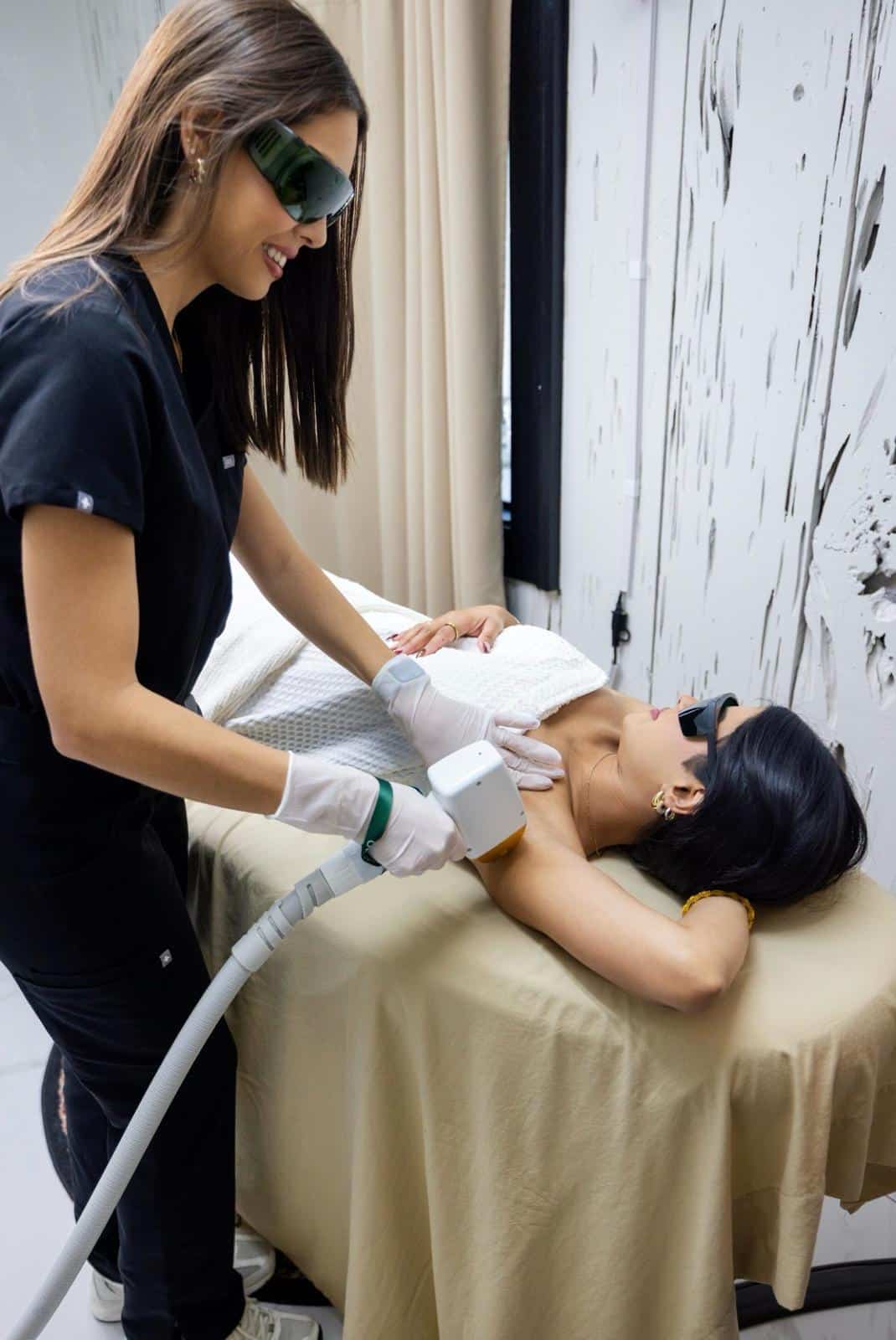
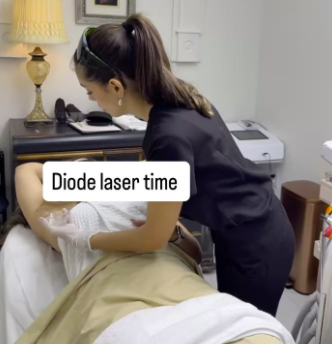
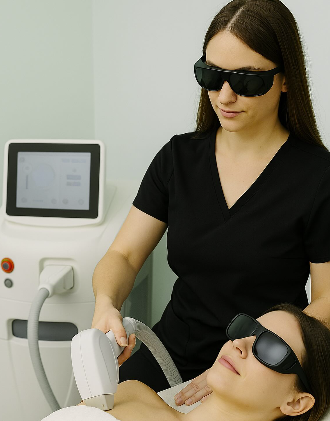
Work may include consultation, skin and hair assessment, treatment preparation, hair-removal procedures within professional scope, documentation and aftercare education. The industry title “laser technician” does not itself grant a Florida professional license.

Types of Hair-Removal Training
The Academy curriculum covers short-wave (thermolysis), galvanic and blend electrology methods, together with laser and light-based hair-removal principles. These methods use different mechanisms and require their own safe operating techniques.
Training in hair removal does not by itself authorize laser resurfacing, vascular or pigmentation treatment, tattoo removal or other medical procedures.
Technology & Equipment
Study laser physics, electrical principles, skin and hair anatomy, treatment parameters and device-specific precautions. Equipment selection must follow training, client suitability, professional requirements and the supervising physician’s protocols.
Education & Training Requirements
The Academy’s Electrology and Laser program includes 320 total clock hours: 100 theory hours and 220 lab / practical hours. The curriculum includes infection control, consultation, contraindications, hair-removal techniques and supervised practical work.
The available Full-Time Hybrid Tuesday/Thursday schedule combines theory and lab study with required in-person labs. Review the actual program schedule and all practical requirements before choosing your start date.
Florida Licensure & Professional Requirements
The professional credential for the pathway described here is Florida electrologist licensure through the Department of Health. Completing school is one part of the process; graduates must meet the applicable examination and application requirements. The state identifies the Florida IBEC Electrology, Laser, and IPL examination for this pathway.
Laser and light-based hair-removal practice also requires the applicable physician supervision and written protocols, device-specific training and an actively licensed electrolysis facility. Follow the current state rules, including any permitted supervision arrangements, rather than assuming a school certificate authorizes independent practice.
Graduation and licensure pathway
Florida Department of Health — Electrologist licensing · Laser and light-based hair-removal requirements
Safety, Consultation & Client Care
Professional care begins before treatment. Learn to recognize contraindications, document the consultation, prepare the treatment area and communicate appropriate expectations.
- Assess relevant skin and hair characteristics and treatment history
- Follow infection-control and equipment-care procedures
- Use appropriate eye protection and device safety practices
- Work within the treatment plan and physician protocols where required
- Document procedures and explain aftercare and when to seek help
Client Tickets & Business Revenue Potential
A hair-removal practice can generate revenue from individual treatment areas and appropriately planned multi-area appointments. Your average client ticket is the amount actually collected for a completed visit after discounts. It varies with the services provided, treatment area, local market and package pricing.
Published Tampa Service-Price Examples
| Service | Published price |
|---|---|
| Underarms | $70–$100 |
| Brazilian bikini | $90–$150 |
| Full legs | $300–$350 |
Based on published service-price information. Last verified: November 28, 2026. These selected provider examples are not market averages or Academy prices. Services, packages and prices can change.
Explore Different Weekly Client-Ticket Levels
The following planning examples show gross weekly service revenue at different numbers of completed, paid appointments and average collected tickets. These are hypothetical scenarios, not forecasts of client demand, graduate outcomes or personal pay.
| Paid appointments per week | $100 average ticket | $150 average ticket | $200 average ticket |
|---|---|---|---|
| 10 | $1,000 / week | $1,500 / week | $2,000 / week |
| 20 | $2,000 / week | $3,000 / week | $4,000 / week |
| 30 | $3,000 / week | $4,500 / week | $6,000 / week |
For example, 20 paid appointments × $150 = $3,000 gross service revenue per week. Maintaining that activity for 48 working weeks would produce $144,000 annual gross service revenue before expenses. This assumes the same completed appointment volume and collected ticket throughout those weeks; it does not assume the same clients return every week.
Gross service revenue is not salary, profit or take-home pay. A business must cover equipment purchase or lease, servicing, premises, physician supervision, facility and professional requirements, insurance, supplies, marketing, payment fees, staffing and taxes. Discounts, cancellations, unfilled appointments and time spent on consultations and administration also affect results. An employee receives the wages or commission specified by their employer, rather than the full client ticket.
Build a realistic plan around treatment times, repeat-visit intervals, client acquisition and retention, local pricing and all operating costs. Providing laser hair removal requires the applicable Florida electrologist license, physician supervision, protocols, device training and facility authorization described above.
Career Opportunities
Research hair-removal practices, medical spas and other properly authorized facilities. Compare the actual job duties, supervision, equipment training and professional credentials required. A position in a medical setting does not expand your legal scope.
Building Your Client Base
Build trust through careful consultation, realistic explanations, reliable records and consistent follow-up. Respect client privacy and obtain consent before using treatment photographs. Continue building technical competency within your authorized scope.
Why Choose Chic Image Academy?
Explore the Academy's approach to structured theory, supervised practical training, professional standards and instructor feedback. Ask about CIMA coursework, standard progress reporting and how the program prepares you for its professional pathway.
Why Choose Chic Image AcademyStudent TestimonialsGraduate Success Stories
Class Schedules
Compare the approved schedule for your selected program. All required theory and lab hours must be completed; Admissions confirms the complete training calendar and completion date before enrollment.
Financing & Payment Requirements
Explore Klarna, Afterpay and Flexxbuy for applicants who qualify. The Academy does not offer separate school-administered payment plans. Full tuition and fees are due before the student's initial start date.