
Turn Makeup Skills into Professional Practice
Makeup artistry combines creative judgment, technical practice and an understanding of how products, lighting and facial features work together. Explore the skills, client relationships and business habits that support a professional career.
What Does a Makeup Artist Do?
Makeup artists consult with clients, plan looks, select products, prepare a hygienic kit, apply makeup and make adjustments for the occasion or production. A dependable process and clear communication matter alongside the finished result.

Career Specializations
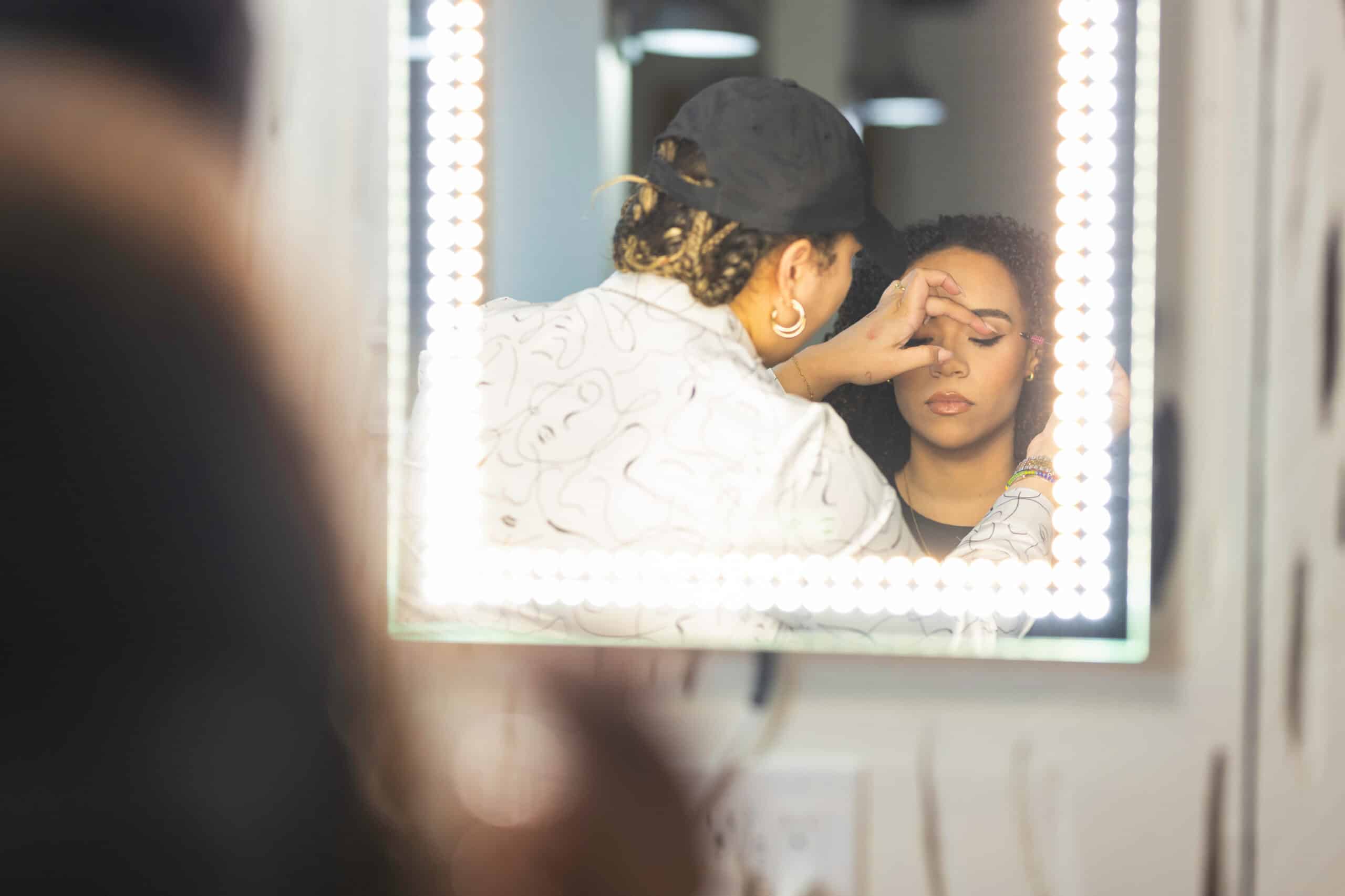
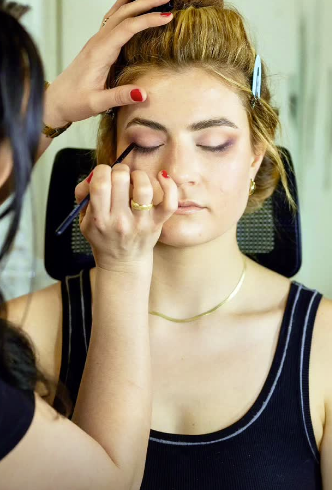
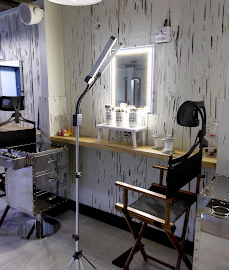
Possible directions include bridal and event makeup, editorial and photographic work, retail artistry, fashion, theatre and film. Each setting has different expectations for timing, continuity, collaboration and a professional portfolio. Specialized production or special-effects work may require further training and experience.
Skin, Color & Facial Analysis
Develop your understanding of skin appearance, undertones, facial features, texture and product compatibility. Practice selecting shades and finishes for different lighting and client preferences while recognizing sensitivities and maintaining safe product handling.
Education & Professional Training
The Academy’s combined Makeup Artistry and Facial Specialist program includes 480 total clock hours: 236 theory hours and 244 lab / practical hours. It brings makeup education together with facial specialty training rather than presenting a makeup certificate as a separate state license.
Review the practical requirements, school assessments and approved full-time or part-time Tuesday/Thursday schedules before selecting your pathway.
Florida Makeup & Facial Service Requirements
Florida DBPR does not issue a separate makeup-only license or registration. Florida law exempts a person whose practice is confined solely to makeup application. That exemption does not cover services such as exfoliation, permanent makeup, microblading or hair removal.
Graduates of the combined Academy program follow the Facial Specialist registration pathway for facial specialty services. School-issued makeup certificates document training; they do not replace a professional credential required for other services.
Florida Statutes 477.0135 — Makeup application exemption · DBPR Facial Specialist registration requirements
Your Kit, Techniques & Portfolio
- Build a clean, organized kit with appropriate tools and product hygiene
- Practice foundation matching, blending, eye and lip techniques and look planning
- Use consultation to understand sensitivities, preferences and the event or brief
- Document looks and continuity when working on a production
- Create a varied portfolio using photographs with appropriate permission
- Manage setup, application, touch-ups and cleanup within a realistic schedule
Select tools and products for the services you are trained to offer. A large kit is not a substitute for technique, sanitation and professional preparation.
Client Tickets & Business Revenue Potential
Explore how the number of completed, paid appointments and the average collected client ticket affect gross service revenue. A client ticket is the amount actually collected for a visit after discounts; it is not the practitioner’s personal pay.
Published Tampa Service-Price Examples
| Service | Published price |
|---|---|
| Bridal-party makeup only | $120 |
| Bridal makeup only | $220 |
Based on published service-price information. Last verified: November 28, 2026. These selected provider examples are not market averages or Academy prices. Services, packages and prices can change.
Weekly Client-Ticket Scenarios
The table shows gross weekly service revenue at different average tickets and paid appointment volumes. The average ticket may reflect a mix of services; it does not mean every appointment has that price.
| Paid appointments per week | $120 average ticket | $170 average ticket | $220 average ticket |
|---|---|---|---|
| 5 | $600 / week | $850 / week | $1,100 / week |
| 10 | $1,200 / week | $1,700 / week | $2,200 / week |
| 15 | $1,800 / week | $2,550 / week | $3,300 / week |
For example, 10 paid appointments × $170 = $1,700 gross service revenue per week. At that same activity level for 48 working weeks, annual gross service revenue would be $81,600 before expenses. This assumes consistent completed bookings and collections; it does not assume the same clients return every week.
One appointment means one paid makeup application, not an entire wedding party. Several applications may be booked for one event; demand is seasonal and often concentrated on weekends. Include kit preparation, travel, setup, trials and assistant costs. These examples exclude hair services.
Gross service revenue is not salary, profit or take-home pay. Subtract operating costs such as premises, supplies, equipment, insurance, licensing, marketing, payment fees, staffing and taxes. An employee receives the wages or commission agreed with their employer, rather than the entire client ticket. Package discounts, cancellations and unfilled appointments reduce collections. These examples exclude tips and retail sales.
The figures are hypothetical planning scenarios, not expected booking levels, Academy graduate outcomes or promised earnings. Build your own plan around service times, local demand, client retention and all costs. A higher-priced service does not automatically produce a higher profit.
Client Consultation & Business Skills
Use clear written service descriptions, realistic appointment timing and respectful communication. Discuss the requested look, location, travel and any touch-up requirements before quoting. Maintain client privacy and obtain permission before sharing photographs.
Career Growth & Professional Development
Build a portfolio that reflects your actual work, seek constructive feedback and continue practicing across client needs and settings. If adding skincare services, choose further training that fits your professional credential and intended scope.
Intermediate & Advanced CertificationsGraduate mentorship opportunities
Why Choose Chic Image Academy?
Explore the Academy's approach to structured theory, supervised practical training, professional standards and instructor feedback. Ask about CIMA coursework, standard progress reporting and how the program prepares you for its professional pathway.
Why Choose Chic Image AcademyStudent TestimonialsGraduate Success Stories
Class Schedules
Compare the approved schedule for your selected program. All required theory and lab hours must be completed; Admissions confirms the complete training calendar and completion date before enrollment.
Financing & Payment Requirements
Explore Klarna, Afterpay and Flexxbuy for applicants who qualify. The Academy does not offer separate school-administered payment plans. Full tuition and fees are due before the student's initial start date.